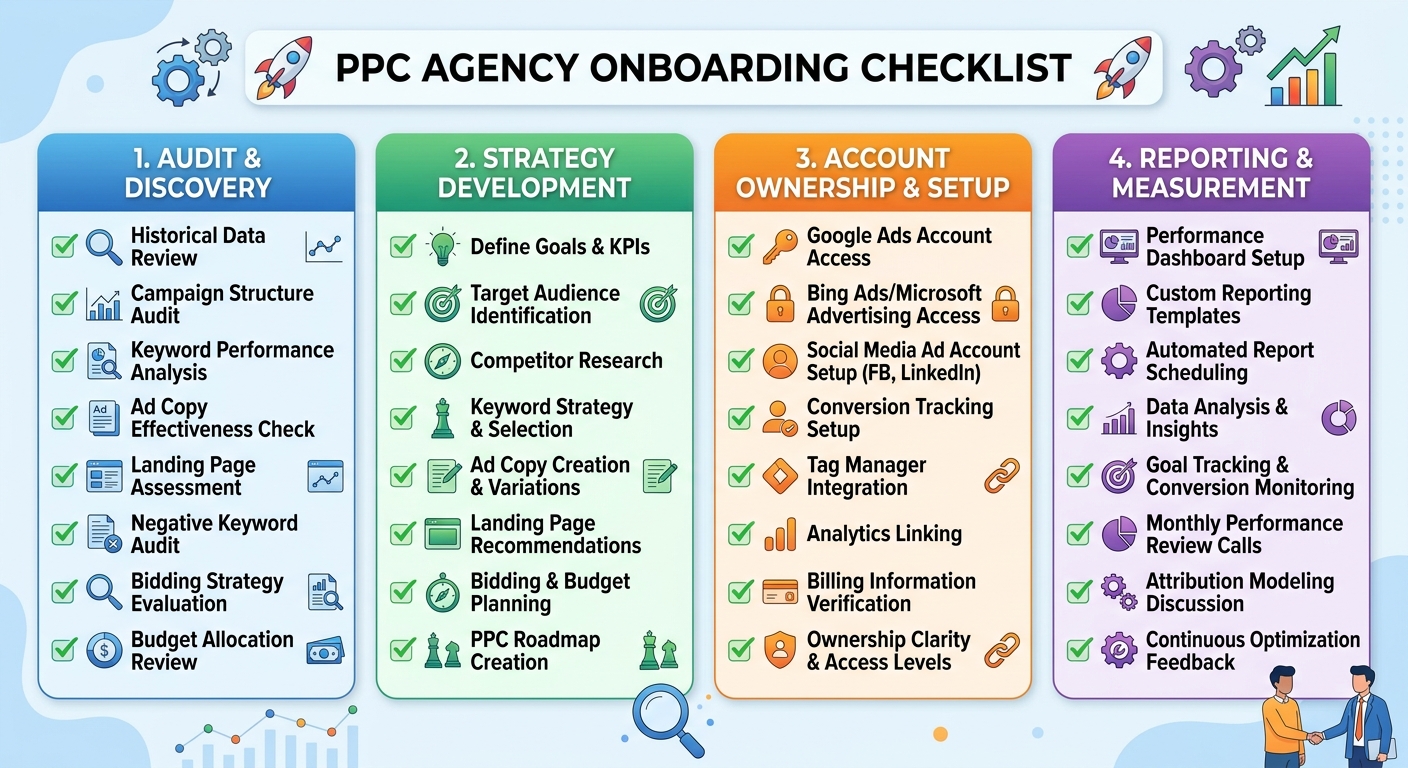

Catch-up bookkeeping means rebuilding your ledger from its last accurate close to today: re-importing transactions, categorizing what the software couldn’t, reconciling account by account, and closing each skipped month in order.
Done right, twelve neglected months are recoverable in two to four focused weeks. Done wrong — or ignored — the cost compounds on a schedule you can calculate: for an S-corporation owner, every month a return stays unfiled adds $255 per owner under the 2026 penalty structure (Heyward CPA PLLC, August 5, 2026).
This guide gives you the exact rescue sequence we use with clients: how to triage the damage, which steps to automate, where DIY cleanups usually break, and what professional catch-up work should cost so nobody can pad the quote.
In this article
What Counts as “Behind,” Exactly?
Your books are behind when any of these is true: transactions sit uncategorized more than a few days past import, bank and credit card balances don’t match your software’s register, a calendar month has no formal close, or payroll entries exist only inside your payroll provider.
One missed month is a chore. Three is a pattern. Twelve changes how you file taxes entirely, because someone must reconstruct deductible expenses the IRS never saw organized.
The definition matters for scoping quotes. Providers price catch-up work by backlog depth and transaction density, so know your numbers before anyone names a figure: months since last reconciliation, average monthly transaction count, and whether payroll, inventory, or loans are involved.
What Every Month of Delay Costs
Most advice says “don’t fall behind.” That’s useless if you already have. The useful frame: delay carries a computable price tag, and it differs sharply by business structure.
For sole proprietors filing Schedule C, the structure differs: failure-to-file runs 5% of unpaid tax per month up to a 25% cap, with a minimum floor — $525 for returns due after December 31, 2025 — once you’re more than 60 days late, even if the percentage math produces pennies (Internal Revenue Service, Failure to file penalty, retrieved August 23, 2026).
Canada’s machinery is blunter. File late owing tax and the CRA charges 5% of the balance owing plus 1% for each full month late, up to twelve; get penalized and demand-filed twice within recent years and it doubles to 10% plus 2% monthly for up to twenty months (Canada Revenue Agency, Interest and penalties on late taxes, updated January 20, 2026).
The Seven-Step Rescue Sequence
Work these in order. The sequence exists because each step depends on the one before it — reconcile before categorizing and your matches multiply errors.
Step 1: Freeze and assess (half a day)
Stop new DIY entry attempts. Pull three numbers: months since the last clean reconciliation, average transactions per month, and a list of every account feeding the ledger (bank, cards, loans, payroll, payment processors). Download 12 months of statements for all of them now, as PDFs and CSVs. Source documents vanish — closed accounts especially.
Step 2: Rebuild from the last good close
Find the most recent month where balances actually reconciled. That’s your anchor. Verify opening balances against the statements for that month; if the chart of accounts has grown weeds (duplicate vendors, personal expenses in COGS), prune categories before importing anything new.
Step 3: Automate the boring 80% first
Reconnect bank feeds and let rules and AI categorization take their pass on recurring merchants — subscriptions, utilities, payroll debits. Modern tools classify the repetitive majority well enough to review rather than enter by hand. What remains after this step is the exception list, and exceptions are where judgment lives.
Step 4: Triage exceptions oldest-first
Handle the oldest unreconciled items first so matching logic works forward through time. Duplicates get merged, transfers get paired, ambiguous charges get documented with a note explaining the treatment. Every guess you make should leave a paper trail your future accountant can audit in seconds.
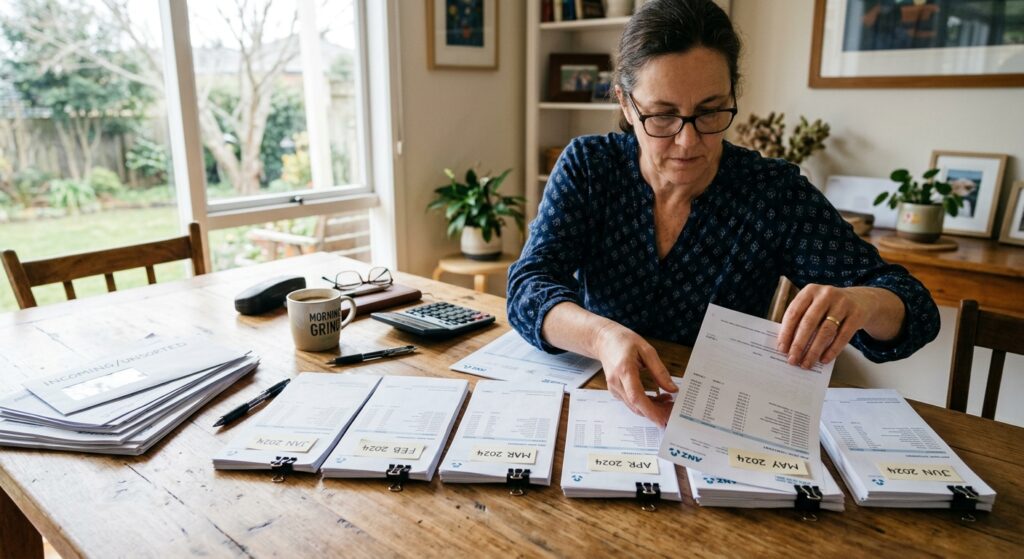
Step 5: Reconcile strictly month by month
Open month one, reconcile every account to the penny, close it, lock it, move to month two. Jumping around creates reconciliation gaps that cascade — an error fixed in March breaks August’s tie-outs. Most software lets you set a closing date password; use it.
Step 6: Fix the accounts where DIY books rot
Three places hide the worst surprises: loan accounts carrying principal payments fully as expenses (your P&L is overstated), equity accounts that became dumping grounds for owner draws, and payroll journals that never got entered because “the payroll app handles it.” Each needs explicit correction entries with dates matching source documents.
Step 7: Close and document
Formal close per month: reconciliations tied, accruals recorded if applicable, a short review note stating who checked what. This documentation is what turns rescued books into files a tax preparer accepts without a premium surcharge for reconstruction.
What we see at Web Works LLC: When a client arrives after a year-plus of DIY books, the pattern is consistent — the software is roughly right on revenue, quietly wrong on loans and equity, and the true cleanup work is concentrated in about 20% of transactions. Our Discovery phase prices the backlog before any monthly service starts, Onboarding executes the seven steps above with a named reviewer per month, and Monthly Mastery keeps it from ever happening again.
What Catch-Up Bookkeeping Costs
Published guidance puts catch-up work at $200–$500 for every month of backlog, and none of the major subscription providers include it in ongoing plans — Bench, Pilot, and QuickBooks Live all quote it separately before service begins (Xenett Pulse, July 28, 2026).
Two protections against padded quotes: demand the per-month rate and transaction assumptions in writing, and treat “we’ll figure it out hourly” as a red flag. Hourly cleanup billing is where scope creep lives.
DIY or Hand It Off?
The honest decision rule:
- Under 3 stale months, cash basis, no payroll — weekend project territory. Follow the seven steps yourself; expect 8–15 focused hours total.
- 3–6 months, or any payroll/loans/inventory — hybrid: automate feeds and simple categorization yourself, pay a professional for reconciliation review and the correction entries.
- 6+ months, multi-account, accrual, or anything feeding a return you haven’t filed — firm territory. At this depth the penalty clock from the chart above is running while you learn bookkeeping on your own ledger, which is the most expensive classroom available.
If the underlying problem is that monthly upkeep never stuck, fixing that matters more than the one-time rescue — our under-two-hours monthly checklist exists precisely so this article stays theoretical for you afterward.
The monthly bookkeeping checklist
And once the rescue is done, keeping books current changes which delivery model makes sense; our guide to switching bookkeepers without losing data covers the transition mechanics if you’d rather never run this rescue again.
How to switch bookkeepers
Canadian readers have one more wrinkle: unfiled GST/HST periods carry their own interest and penalty track alongside income tax, and remittance frequency rules decide how fast exposure stacks.
For the full menu of delivery models and what each charges, see our overview of client bookkeeping solutions, or browse more bookkeeping guides on the Web Works blog. If you’d rather hand the whole backlog to a team that does this weekly, our bookkeeping services page starts with a scoped cleanup quote — fixed price, named reviewer, no hourly drift.
Twelve months of delay costs less to fix than to ignore — but only barely, and only if you start this week.
Frequently Asked Questions
How long does catch-up bookkeeping take for 12 months of neglect?
A focused professional team typically clears a twelve-month backlog in two to four weeks depending on transaction volume and payroll complexity. A solo DIY effort usually takes 8–15 hours per month being rescued once feeds are automated — call it three to six weekends.
Can I do catch-up bookkeeping myself?
Yes, if you’re under three stale months on cash-basis books without payroll or inventory. The seven steps above are the whole method. Past that depth, hybrid help pays for itself: automate the feeds yourself, pay for reconciliation review and correction entries where mistakes compound.
How much does a bookkeeper charge to clean up books?
The published band is $200–$500 per month of backlog, quoted as a separate project from ongoing service (CoCountant 2026 Pricing Guide; Jupid 2026). A year of neglect therefore plans between $2,400 and $6,000 before complexity adjustments. Always demand the per-month rate and assumptions in writing.
If I file taxes on time, does it matter that my books are behind?
The late-filing penalties attach to filing, not bookkeeping quality — but messy books cause quieter losses: missed deductions, overstated loan interest, equity accounts nobody can explain during an audit, and amendment fees when your preparer has to reconstruct what your ledger should have said.
Do bookkeeping services include catch-up work in their monthly plans?
No major subscription provider includes it. Bench, Pilot, and QuickBooks Live all price cleanup separately before ongoing service starts (Xenett Pulse, July 28, 2026). Treat any plan that claims “cleanup included” with skepticism until the written scope says otherwise.